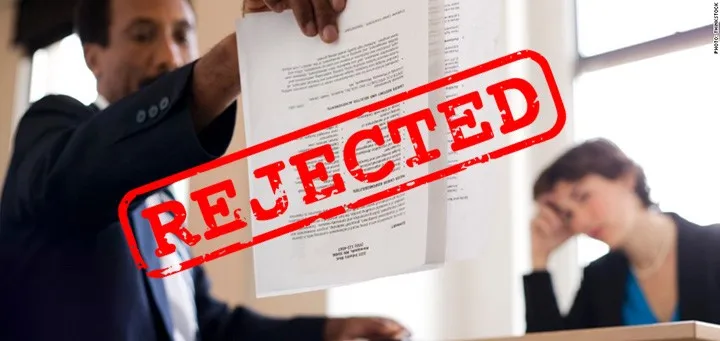
Although it’s important to take the negative experience of a job rejection in stride, it’s also important to see it as a chance to learn and develop. In the event that you are disappointed by an interview rejection, here are some ways to deal with the situation:
Embrace Your Emotions:
It’s normal to experience a variety of emotions, including disappointment, irritation, and despair. Give yourself permission to feel these things without judging yourself. The first step in getting past an emotional barrier is to recognise that you have one.
Get Some Opinions:
Send a courteous email to the hiring manager asking for their thoughts on how you did during the interview. One way to find out what needs fixing is to ask for constructive criticism. Take this criticism to heart and use it to better yourself in future interviews.
Think About What You Learned:
Think about the interview procedure as a whole. Take stock of the good and the bad parts of your performance. Figure out what worked and what may be improved about your answers or presentation. To advance in one’s career, one must cultivate self-awareness.
Keep a Positive Outlook:
Never let the fact that you were rejected limit your self-confidence or your abilities. Always look on the bright side and play to your skills. If you can learn to embrace rejection, it will bring you one step closer to seizing the perfect chance. If you want to be successful in your job search, you must cultivate resilience.
Build a Stronger Network:
Make contact with experts in your area through online forums, networking events, informational interviews, or other means. Building a solid professional network can open doors to new opportunities and provide valuable insight into the job market.
Modify Your Strategy:
You should think about changing your job search strategy if you find that some parts aren’t working. Revamp your résumé, hone your interview skills, or look for alternative ways to apply for jobs. The competitive employment market demands flexibility and agility.
Make Reasonable Predictions:
Setting reasonable goals is just as critical as maintaining an optimistic outlook. You must accept the fact that rejection is an inevitable component of the job seeking process. One way to deal with disappointment is to set reasonable expectations.
Concentrate on Bettering Oneself:
Take advantage of the time after rejection to work on yourself. Make an effort to improve yourself by going back to school, getting a credential, or learning something new. Continuing your education not only boosts your confidence but also your qualifications.
Do Not Give Up:
Rejection is an inevitable aspect of the lengthy road of job hunting. Keep up a regular schedule for searching for a job and don’t give up. Gaining interviews or having fruitful networking encounters are examples of minor successes along the route that deserve celebration.
Have Faith in Your Abilities:
Keep in mind all that you’ve accomplished and all that you’re capable of. You have the ability to achieve your goals. Employers like candidates who exude confidence in their talents, and it shows in how well they do in subsequent interviews.
The ability to deal with negative feedback about a job offer is, ultimately, a learned trait. You may transform failures into opportunities for growth in your profession if you are open to criticism, ask for input, and keep going even when things don’t go your way. Keep in mind that every setback brings you one step closer to the perfect chance, and that if you keep going, you will eventually succeed.